
Blog

Art of Leadership | Jenna Stoliker
The Art of Leadership
In Conversation with Jenna Stoliker
In this installment of In Conversation: The Art of Leadership, we’re speaking with Jenna Stoliker, founder of the Conscious Leadership Alliance.
Jenna works with leaders and organizations to build trust-centered cultures where people feel aligned, valued, and able to do their best work. Through executive coaching, leadership development programs, and her Trust Within Assessments, she helps leaders understand how their presence shapes the culture around them.
The Art of Leadership series highlights entrepreneurs, executives, and community leaders shaping the culture of business in Tucson and beyond. Each conversation offers a look at the experiences, philosophies, and leadership lessons that guide how they show up for their teams and communities.
Below, Jenna shares more about her work, her philosophy on leadership, and what leadership has required of her behind the scenes.

The Leader & Business Behind the Work
Jessica: Tell us about your business. What do you do?
Jenna: My name is Jenna Stoliker, and I'm a leadership coach and culture strategist who works with leaders who care deeply about the impact they have on the people around them. Through my company, the Conscious Leadership Alliance, I help leaders and teams build trust-centered cultures where people feel aligned, valued, and able to do their best work.
Much of my work involves helping leaders slow down long enough to notice the relational signals they send every day — through their words, decisions, and presence — and how those signals quietly shape the culture around them.
I also steward the Trust Within Assessments, a suite of evidence-based tools that make the invisible dynamics of trust, alignment, and engagement visible, so leaders can lead with greater intention.
At its heart, my work is about helping leaders reconnect with the kind of leadership that elevates people, strengthens organizations, and leaves things better than they found them.
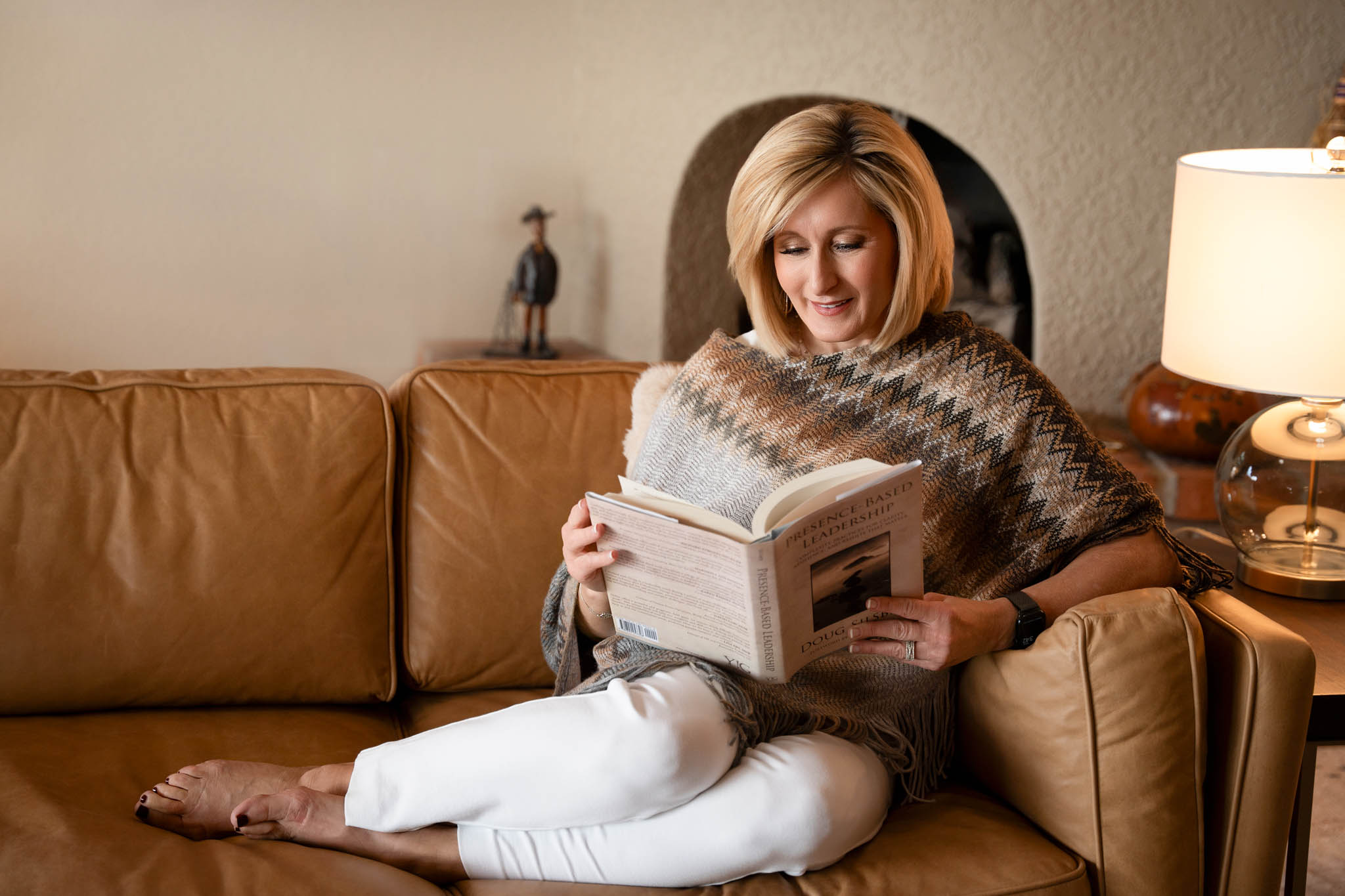
Jessica: What does your company do? What makes your service or product unique or notable?
Jenna: The Conscious Leadership Alliance exists to help leaders and teams build cultures rooted in trust, alignment, and shared responsibility. We do that through executive coaching, leadership development programs, and the Trust Within Assessments — tools designed to surface the deeper relational dynamics that quietly shape how an organization functions from the inside out.
What makes our work different is that we go beneath the surface. Most leadership development focuses on skills and competencies — the visible layer.
But the real drivers of culture live deeper: in how people experience leadership day to day, whether they feel seen and valued, whether trust is present or quietly eroding.
The Trust Within Assessments are designed to measure exactly those conditions and translate them into insights leaders can actually act on.
Because here's what I've learned: when a leader can see how their presence and behaviors affect trust and alignment, something shifts. Change becomes possible — not just for one person, but for the whole team, and eventually, the whole organization.
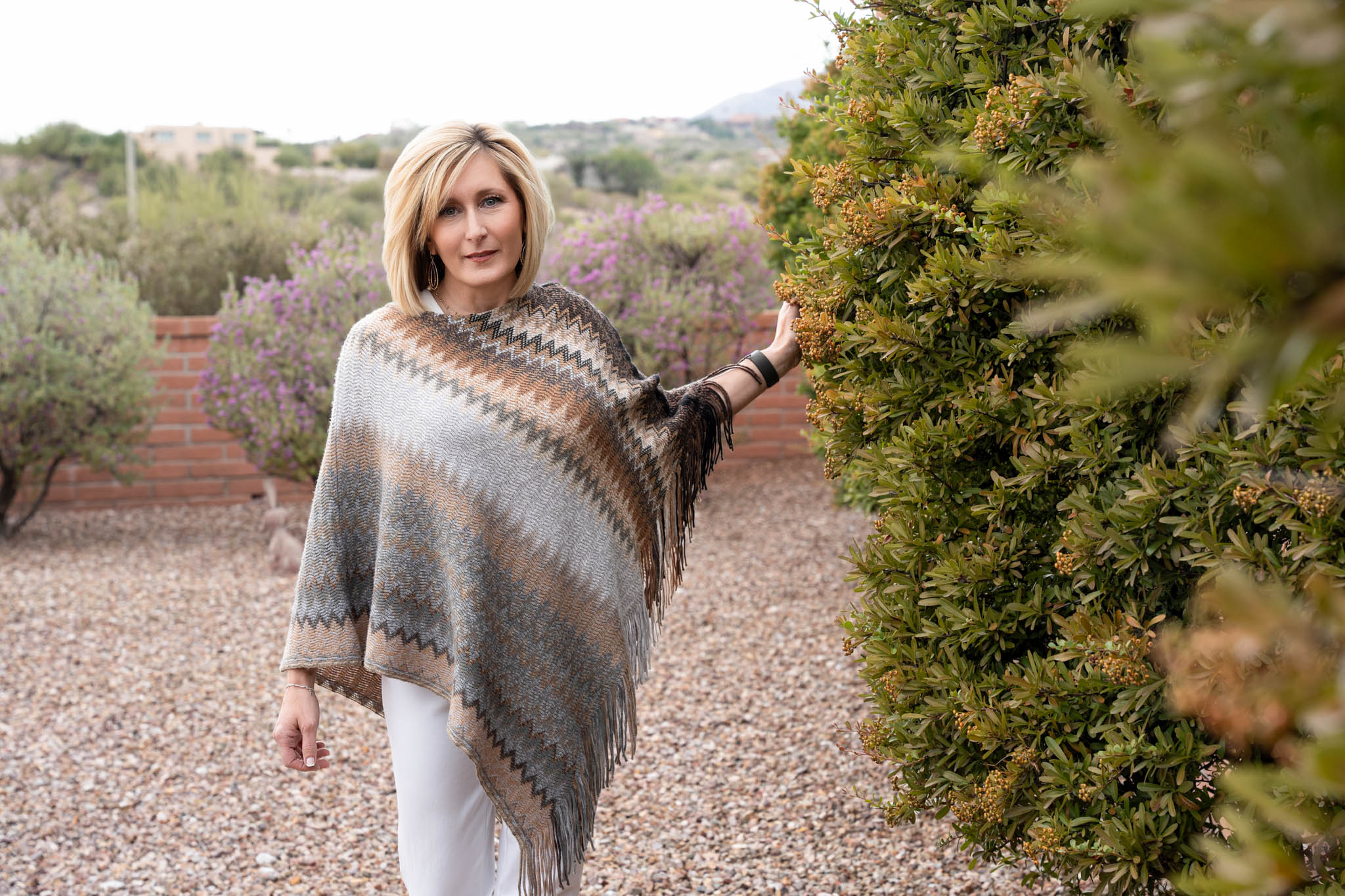
Jessica: What inspired you to create your business? Is there anything about the clients you serve that you were drawn to, or anything about the impact you'd like to share?
Jenna: My path into this work didn't begin in a boardroom or a coaching certification program.
It began much earlier — in small, formative moments where I was learning, often without realizing it, what it feels like to be truly seen and what it feels like to be overlooked.
I noticed it as a child — how quickly a classroom could reward compliance over curiosity, quietly teaching people to shrink rather than stretch.
I felt it in one of my first jobs, where a manager led through suspicion rather than trust, and where a group of us eventually walked away because we knew, even then, that we deserved better.
And I experienced the profound alternative when a mentor early in my career looked at me — a young woman hesitating over her own potential — and asked, “What? You don't think you're worth it?”
That question changed something in me forever.
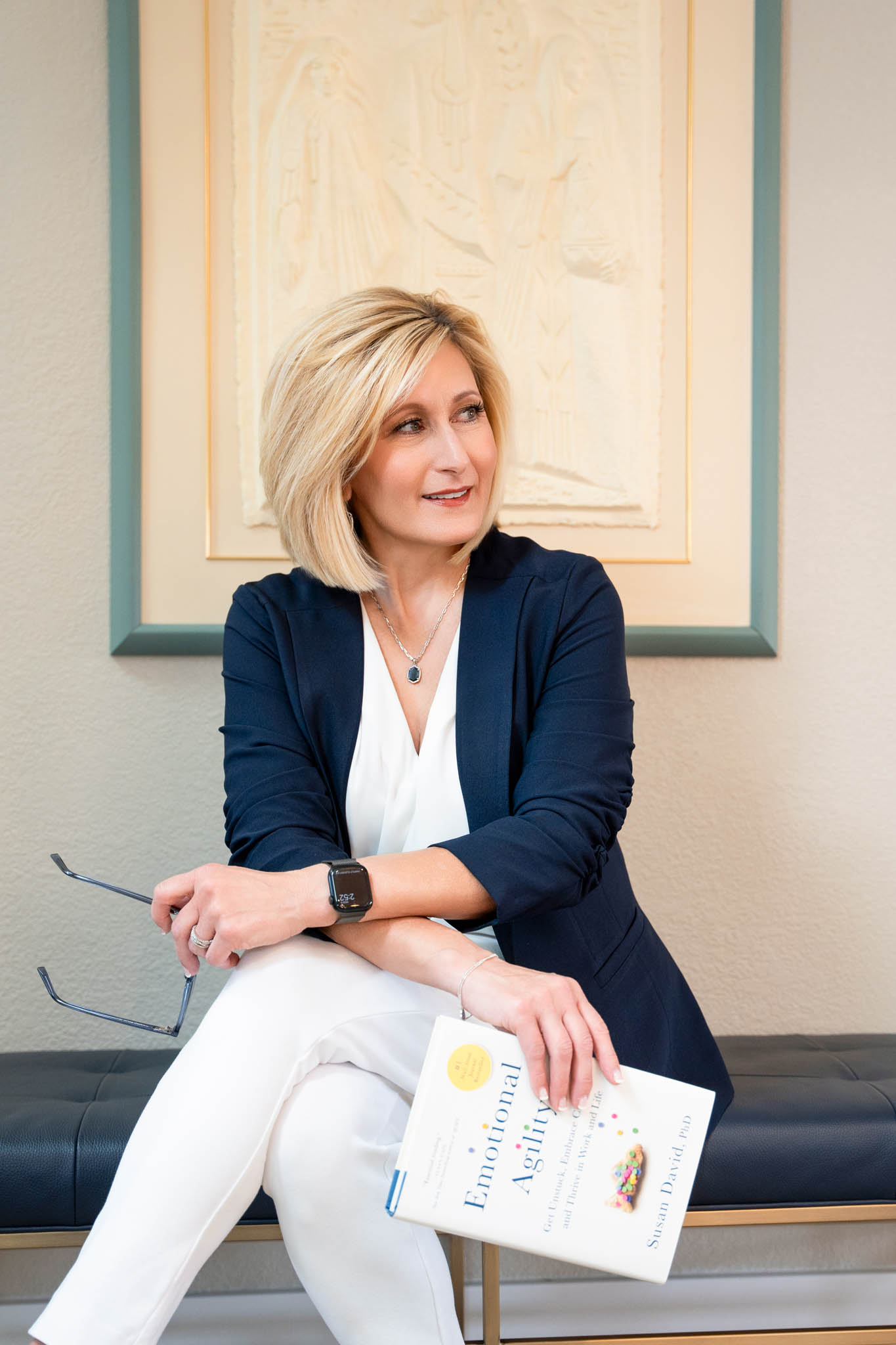
What all of those moments were showing me was this: a leader's presence has the power to shape the energy of an entire room.
The same workplace, under different leadership, can either call out the best in people or slowly dim their sense of purpose.
That contrast stayed with me and planted a question I've been exploring ever since — what would it look like if leadership were treated as something truly sacred?
Not just a role or a title, but a responsibility to the people in your care.
Over time, that question became my work.
The leaders I'm most drawn to are the ones who feel that responsibility in their bones — who want to lead in a way that creates real, lasting impact.
They often come to me at a moment of transition or stretching: stepping into a bigger role, navigating change, or sensing that something in the way they're leading isn't quite aligned with who they know themselves to be.
That is exactly where I love to work — and exactly why I built the Conscious Leadership Alliance.
"A leader’s presence has the power to shape the energy of an entire room" - Jenna Stoliker
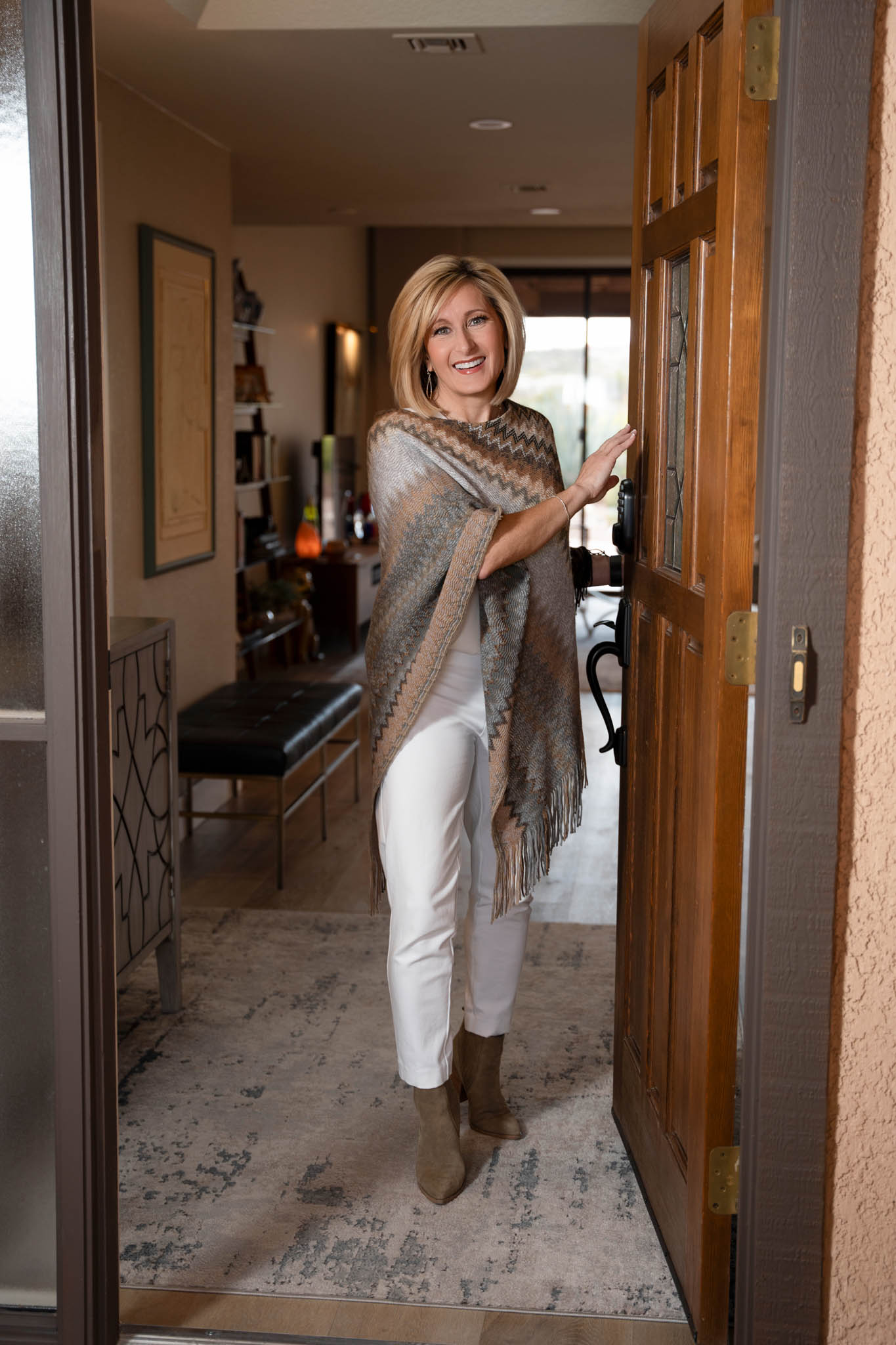
Jessica: What is a myth about your business or industry that you wish would change?
Jenna: The biggest myth in leadership development is that leadership is fundamentally about having the right answers — that the most effective leaders are the ones who project certainty, stay composed, and never let anyone see them question themselves.
In my experience, that belief does tremendous harm.
It keeps leaders performing instead of leading.
It creates cultures where honesty gets polished away and people quietly disengage because they don't feel safe enough to tell the truth.
The leaders who build the healthiest, most high-performing cultures aren't the ones with the most certainty.
They're the ones who stay genuinely curious — about their people, about their own blind spots, about what the moment is actually asking of them.
That kind of presence — reflective, honest, courageous — is far more powerful than any polished performance of confidence.
Leadership isn't about perfection.
It's about presence, responsibility, and the willingness to keep growing.
Jessica: What is something people might be surprised to learn about you?
Jenna: People are often surprised to learn that so much of what I teach, I first had to live.
The language I use now — trust, belonging, psychological safety, conscious presence — wasn't always available to me.
I was simply a young woman noticing things that felt important, collecting experiences that I didn't yet have words for.
I didn't grow up thinking I would build a business or step into visible leadership.
There were seasons of my life where the path forward wasn't clear at all — where I had to do the quiet, sometimes uncomfortable work of rebuilding my confidence and reimagining what was possible for me.

And what I know now, that I wish someone had told me then, is that those seasons aren't detours.
They are the road.
That's the truth I carry into every coaching relationship.
When I sit across from a seasoned leader who is questioning her relevance, or a nonprofit executive who is running on empty and wondering if she still has anything left to give — I recognize her.
Not because I have all the answers, but because I've sat in that uncertainty too.
And I've learned that clarity doesn't come from pushing harder.
It comes from slowing down long enough to hear yourself again.
"Leadership isn’t about perfection. It’s about presence, responsibility, and the willingness to keep growing." - Jenna Stoliker
Jessica: What would you say is the main thing that has helped you grow in your business?
Jenna: The honest answer is this: business ownership is a spiritual path.
It will test you to your core — your confidence, your clarity, your sense of worth, your willingness to keep going when the road gets quiet or hard.
The growth that has mattered most to me hasn't come from a strategy or a system.
It has come from learning to meet myself honestly in those moments of testing — and choosing, again and again, to lead from the inside out.
That inner work isn't separate from the business.
It is the business.

Jessica: If you started your business over today, what would you focus on first?
Jenna: I would give myself permission to think bigger — and to stay in that expansive space long enough to truly ask: what is possible here?
Early on, I was so focused on the work itself and the immediate impact I could have that I didn't fully appreciate how important it is to let your vision lead.
Because when you know what you're building toward, everything else — the platforms, the partnerships, the mentors you seek out, the training you invest in, the structures you create — begins to organize itself around that larger purpose.
A business, like a leader, needs both roots and room to expand.
If I were starting again, I would spend more time asking not just “what do I want to do now?” but “what do I want this to become — and what will I need to build to get there?”

Jessica: What’s the best piece of business advice you’ve ever been given?
Jenna: It came not as advice, but as two questions — offered in response to my hesitation to step forward because I was afraid of being laughed at, dismissed, or seen as less than capable.
The questions were simply: “So what?” and “Who says?”
Those two questions cracked something open in me.
They invited me to examine the stories I was carrying — the ones quietly running in the background, shaping what I believed was possible for me.
Were those beliefs truly mine?
Or were they inherited — absorbed from a culture, a family, a room that had once told me to stay small?
Learning to ask “Who says?” has been one of the most liberating practices of my life.
It's also one I bring into the coaching room regularly, because so many of the leaders I work with are navigating the same quiet battle between their acquired voice and their true one.

Jessica: Do you have a favorite mantra?
Jenna: I have two, and they live at different layers of my interior life.
The first is one I return to in moments of uncertainty or when I need to call myself fully present.
It's a simple prayer, really — an invocation to something greater than myself and to the wisdom of those who came before me:
“Protect me. Heal me. Guide me. Empower me.”
Those four words have steadied me more times than I can count.
The second is a quote by Cynthia Occelli that I return to again and again, especially in seasons of deep change:
“For a seed to achieve its greatest expression, it must come completely undone. The shell cracks, its insides come out and everything changes. To someone who doesn't understand growth, it would look like complete destruction.”
I love this because it tells the truth about transformation that our culture often tries to hide — especially from women.
We are conditioned to believe that growth should look graceful, composed, and linear.
But real transformation is rarely any of those things.
It is often messy, disorienting, and deeply vulnerable.
The cracking open is not the end of the story.
It is the beginning of something truer.
What makes the difference is this: fertile ground and the presence of people who understand what they are witnessing — who can hold space for the unraveling and trust what is being born.
Jessica: When you think about leadership and community, what does it mean to you?
Jenna: To me, leadership and community are inseparable.
You cannot truly lead without a sense of responsibility to the people around you — and you cannot build real community without leaders who are willing to be present, honest, and human.
I think about community as the container that makes growth possible.
When people feel genuinely safe — not just professionally protected, but truly seen and valued — something remarkable happens.
They bring more of themselves.
They take risks.
They tell the truth.
They look out for one another.
That is not a soft outcome.
That is the foundation of every high-performing team and every organization that endures.

What makes that kind of community possible is something I think about a great deal: interpersonal flexibility — the ability to relate to people in such a way that their needs are at least as important as your own.
It sounds simple.
But in practice, it requires a leader to continuously set aside her own preferences, assumptions, and comfort in order to genuinely meet people where they are.
That is not a passive act.
It is one of the most active and disciplined forms of leadership there is.
Leadership, at its best, is the act of tending that container with that kind of flexibility and presence.
It's showing up with enough self-awareness to know how your presence affects the room.
It's having the courage to name what others are tiptoeing around.
It's caring enough about the people you serve to keep growing — not because it's comfortable, but because they deserve a leader who is doing the inner work alongside them.
That, to me, is what it means to lead consciously.

Jessica: What possibility are you trying to create through your work?
Jenna: The possibility I am working toward is a world where leadership is experienced as a sacred act.
Where the people who hold influence over others take that responsibility seriously, not as a burden, but as a calling.
I want to live in a world where women especially, women in boardrooms, in nonprofits, in communities, in classrooms, know with unshakeable certainty that they belong in leadership. Not because they've earned the right by shrinking themselves to fit a mold, but because they've done the inner work to lead from the fullness of who they are.
Where trust is not a nice-to-have but the very strategy that drives how organizations are built and how people are led.
If my work contributes even a small part of that shift, if a leader somewhere becomes more present, more courageous, more connected to her people because of something she discovered in this work, then I am doing exactly what I was called to do.

Jessica: What has leadership required of you that most people don’t see?
Jenna: Leadership has required me to keep doing my own work — quietly, consistently, and often in ways that are invisible to everyone else.
The willingness to sit with uncertainty and not rush to resolve it.
The discipline to examine my own stories before I bring them into a room.
The humility to recognize when I'm the one who needs to grow, not just the people I'm guiding.
It has also required a particular kind of courage that doesn't always look dramatic from the outside — the courage to stay soft in a world that rewards hardness.
To lead from the heart when the culture around you prizes logic and certainty.
To keep believing in the sacredness of this work on the days when the evidence is slow to arrive.
And perhaps most of all, it has required me to become comfortable with being misunderstood.
Not everyone will immediately understand why trust matters as much as I believe it does, or why slowing down to tend to the relational dynamics of a team is not a distraction from the work — it is the work.
Learning to hold that conviction steadily, without needing everyone to agree, has been one of the quieter and more profound parts of my own leadership journey.

Jessica: If you could go back, what is one piece of advice you would offer your younger self?
Jenna: Trust your intuition.
Those quiet gut feelings are real and they are informative — they are your inner wisdom speaking before your mind has had a chance to talk you out of it.
I've noticed that the moment I start justifying or reasoning my way around something, I've already begun to disconnect my heart from my head.
And I need both. We all do.
Your intuition isn't a detour from good thinking.
It's the beginning of it.
Learn to honor it early, and it will serve you for the rest of your life.
Jessica: Are there books that you'd recommend to people in your niche or books that you just generally love?
Jenna: I recently finished Twice by Mitch Albom, and it stayed with me long after the last page.
The premise — what if you got to live your entire life again? — is the kind of question that gently invites you to examine how you're living this life.
It's a beautiful meditation on acceptance, on the mistakes we make, and on what we carry forward regardless of whether we get a second chance.
For those in leadership or in the coaching space, two books I return to again and again are Conversational Intelligence by Judith E. Glaser and Emotional Agility by Susan David.
Both offer profound insight into what conscious, trust-centered leadership actually looks like in practice — and both have shaped my work in ways I continue to discover.
If leadership as a sacred act resonates with you, these books will feel like coming home.

Jessica: What was the best piece of advice you were ever given, that really impacted how you show up or do business?
Jenna: It came from a mentor early in my coaching journey, and it has never left me.
She said: you are the lighthouse for your clients.
That image unlocked something important for me.
People don't come to coaching lost — they come because they can't quite see their own way clearly yet.
My role is not to chart the course for them or tell them where to go.
It's to shine a steady light on what they haven't been able to see on their own.
What they do with that clarity belongs entirely to them.
But more often than not, that light is enough to keep them from drifting — and to help them find their way back to themselves.
I think about that image often, not just in coaching but in every leadership conversation I'm part of.
We all have the capacity to be a lighthouse for someone.
The question is whether we're willing to show up and keep the light on.
Jessica: Where can people connect with you?
Jenna: You can find me on LinkedIn at linkedin.com/in/jennastoliker, where I regularly share reflections on conscious leadership, trust, and the inner work of leading well.
If something in this conversation stirred something in you, I'd love to offer you a place to begin.
I have two invitations for you, depending on where you are in your journey.
If you are a leader wanting to strengthen the trust and alignment within your team, visit consciousleadershipalliance.com and sign up for my free 4-day email series, How to Build Unshakable Trust to Spark Passion and Team Alignment.
Over four days, you'll receive practical insights and proven strategies to help you build a more connected, agile, and inspired team culture — starting from the inside out.
And if you're ready to explore the inner landscape of your own leadership, visit jennastoliker.com/10saboteurs to download my free guide to the 10 mindsets that quietly sabotage your career, confidence, and well-being.
You can also request a complimentary mindset self-assessment and a personal debrief conversation with me.
Both are doorways into the same essential truth: that the most powerful leadership work begins within.
I'd love to walk alongside you as you find your way there.
____________________________________________________________________
Behind the Images
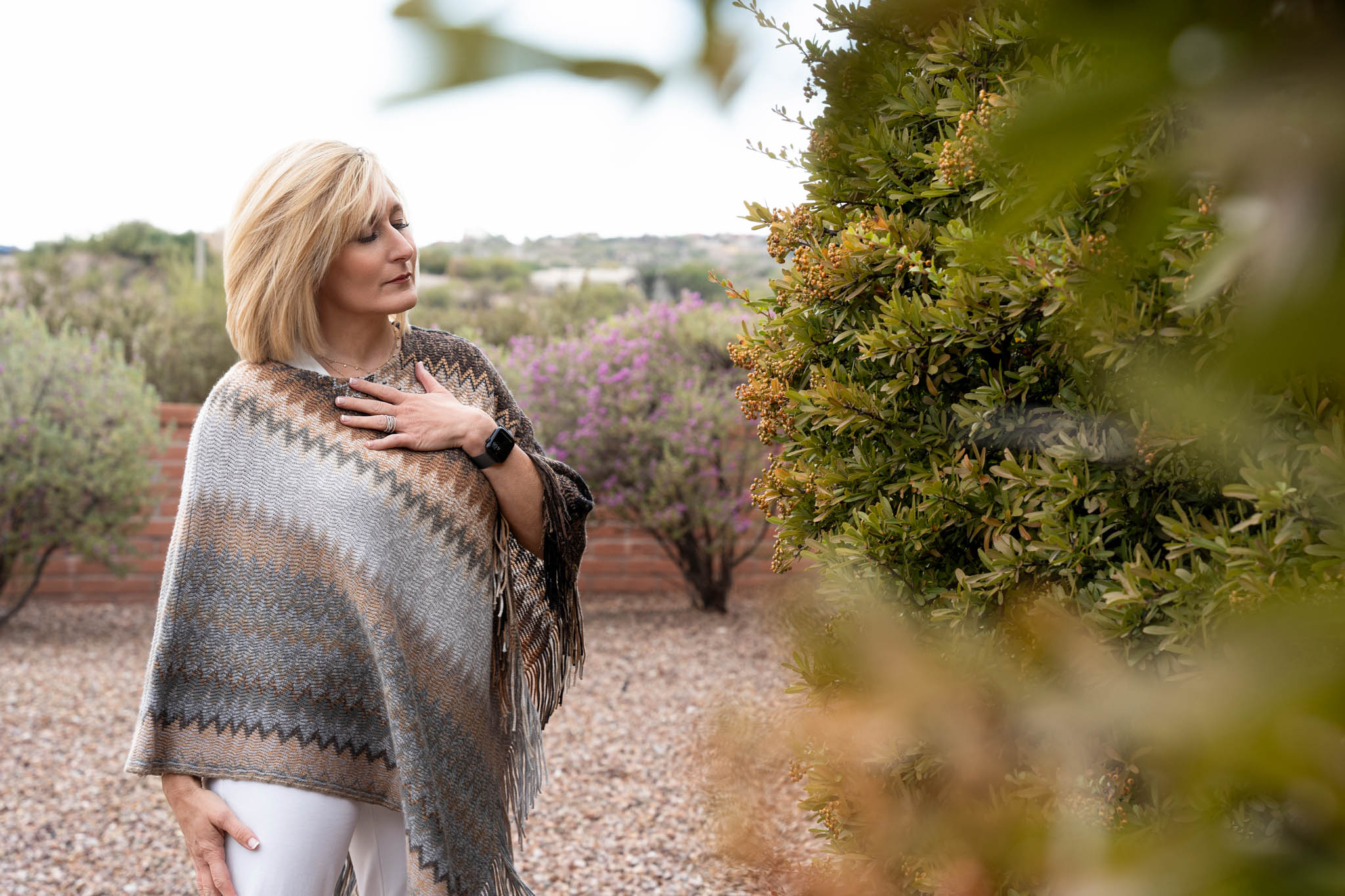
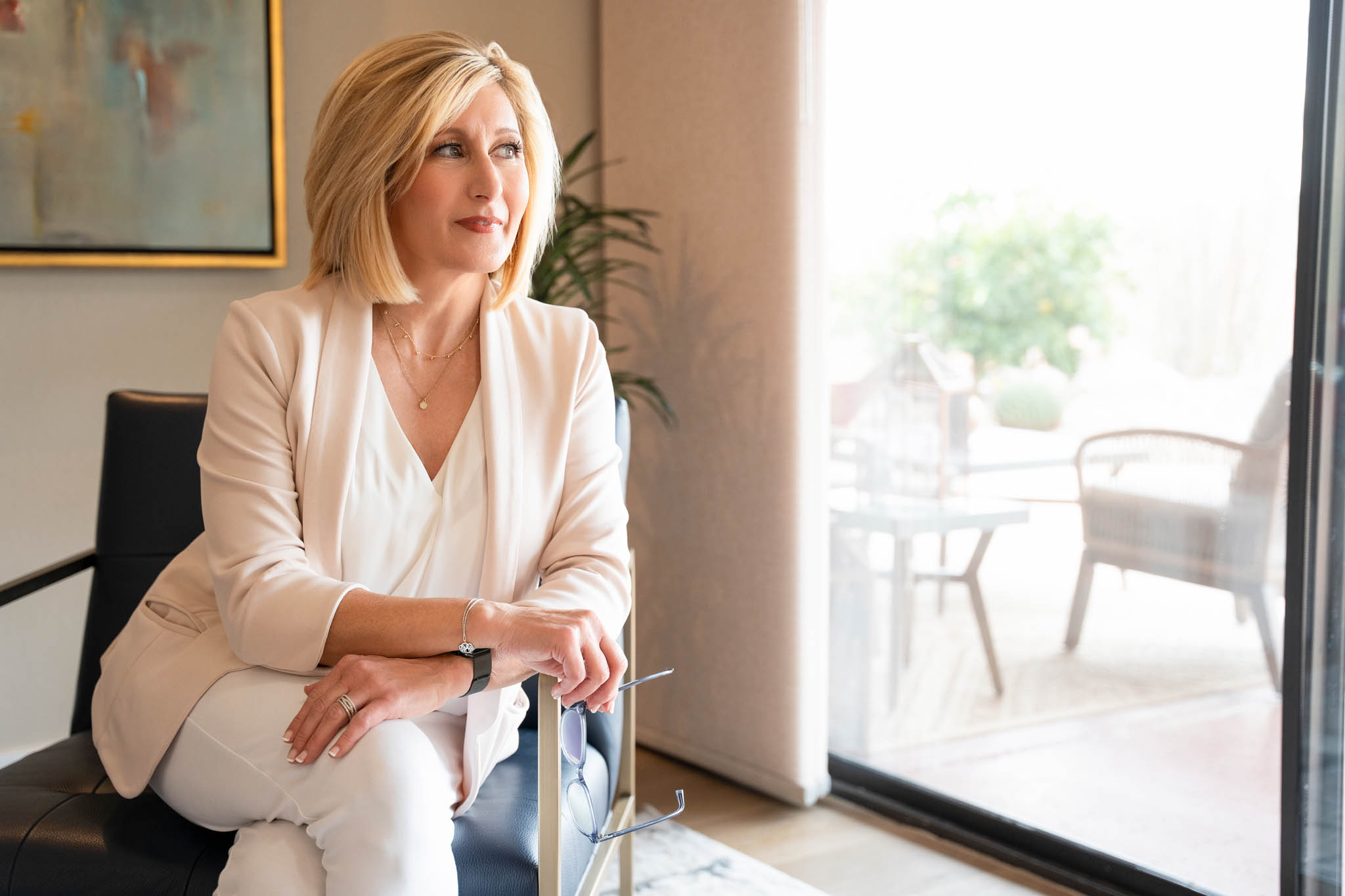
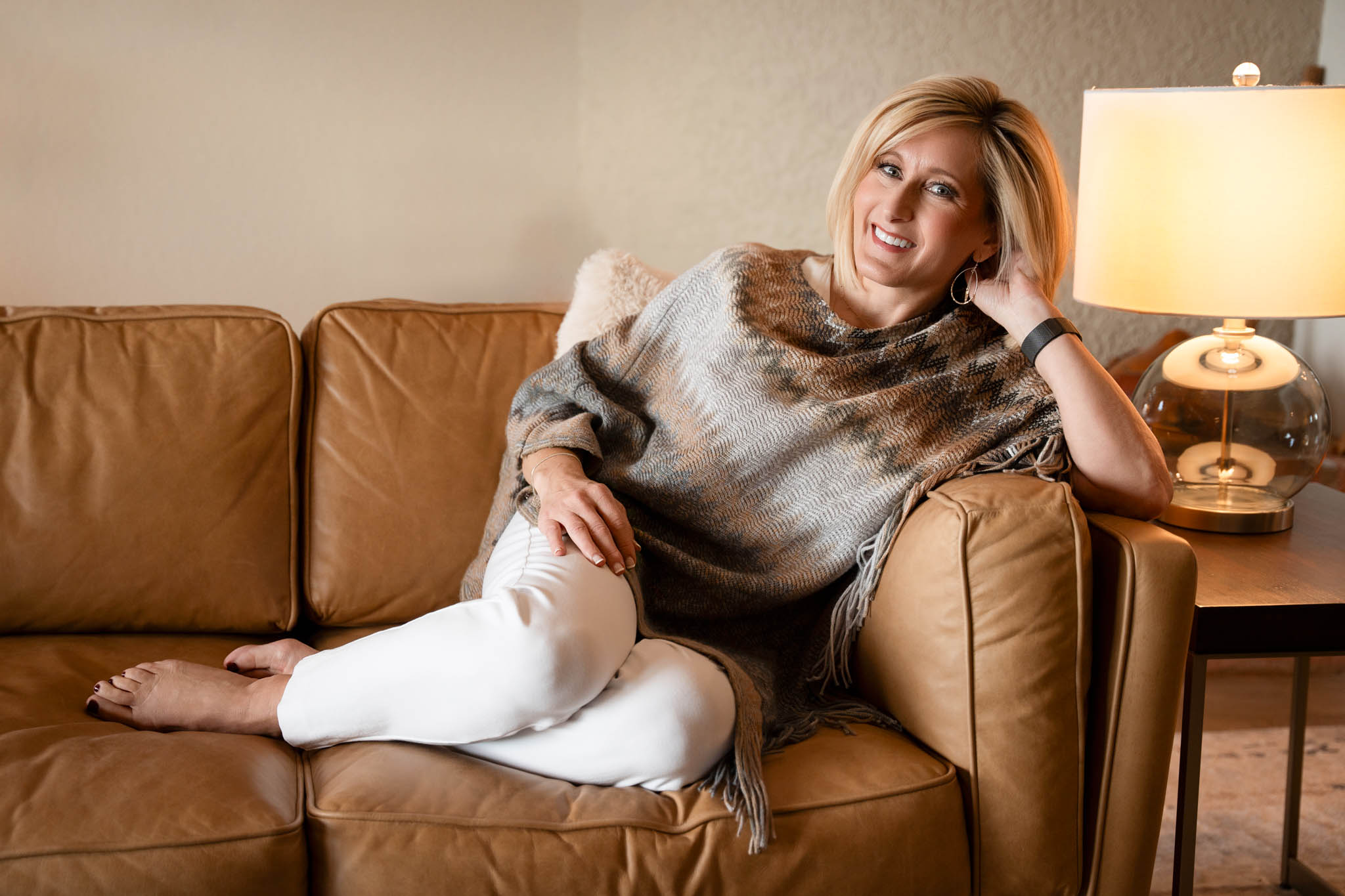
Leadership is not only expressed in the way someone guides others — it’s also reflected in how they choose to be seen.
As part of the Art of Leadership series, Jenna also participated in a personal brand session with Jessica Korff Studios, creating imagery that reflects the presence and philosophy she brings into her work.
Below, she shares a bit about that experience.
Jessica: What was your biggest challenge prior to doing a brand shoot?
Jenna:
My biggest challenge was simply getting comfortable in front of the camera. There is something vulnerable about being truly seen — and a camera has a way of making that vulnerability feel very immediate.
Jessica had a gift for putting me at ease almost instantly.
She took time to explain her process, including why she would guide me into poses that felt unfamiliar or unnatural in the moment. She helped me understand that the camera and the light perceive things differently than we do — and that trusting her eye was part of the experience.
That reframe made all the difference.
Jessica: What changed after getting your images?
Jenna:
When I saw my images, something shifted in me. My self-perception changed in a way I hadn't fully anticipated. I felt more empowered, more grounded — like I was standing at the threshold of my own sovereignty and finally ready to step fully into it.
The woman in those photographs felt like the truest version of me. That is not a small thing.
When you lead others, how you see yourself matters enormously. Jessica gave me a gift that went far beyond beautiful photos.
Jessica: What would you say to someone considering a session with Jessica Korff Studios?
Jenna:
Do it.
And come willing to be seen — really seen.
Jessica has a rare and beautiful gift for reflecting your inner wisdom and strength back to you through her lens. She doesn't just photograph how you look. She captures who you are.
If you've been waiting for the “right time” or telling yourself you aren't quite ready, I'd gently offer this: The version of you that shows up in Jessica's studio might be exactly the one you've been waiting to meet.
Jessica: Anything else you'd like to add about your experience?
Jenna:
Working with Jessica felt entirely consistent with the work I do with my own clients. At its core, it was an experience of being held with care, seen with clarity, and invited to show up as my fullest self.
That is a rare and precious thing.
I am deeply grateful for it.

Connect with Jenna Stoliker
Website
https://ConsciousLeadershipAlliance.com
Website
https://JennaStoliker.com
LinkedIn
https://linkedin.com/in/jennastoliker
Filed Under:
Leadership • Tucson Business Leaders • Executive Coaching • Conscious Leadership